
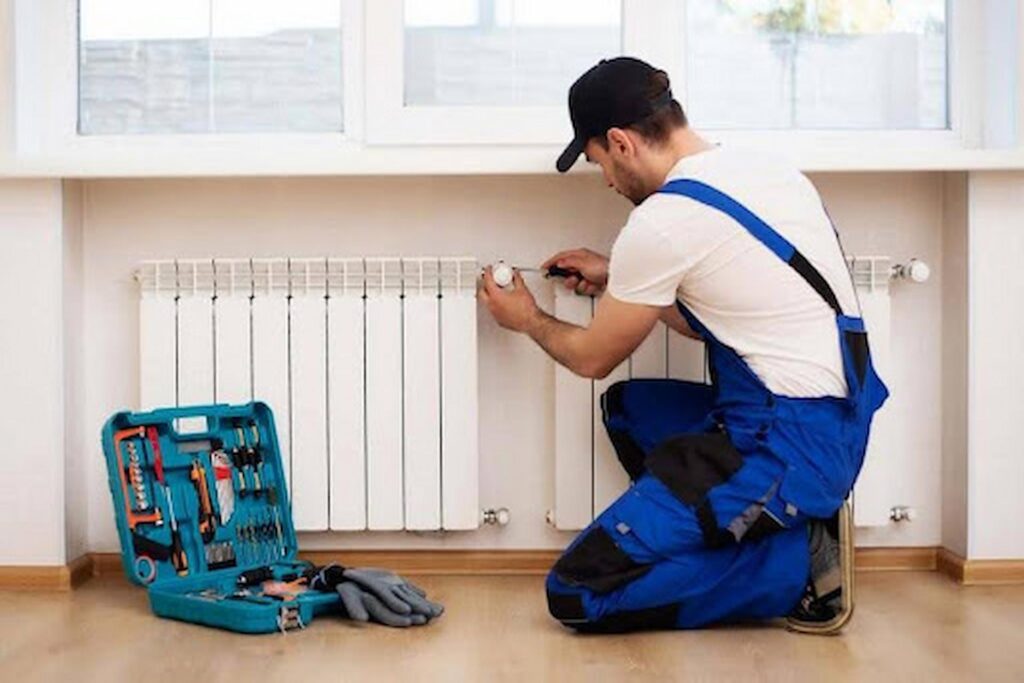
Installing a radiator is more than a practical upgrade. It influences comfort, energy efficiency, and long-term heating costs. Understanding sizing, placement, system compatibility, and installation factors before work begins helps avoid poor heat performance, unnecessary expense, and disruption once the system is in use.
Installing a radiator may seem like a routine home improvement, but it is a decision that directly influences how efficiently your heating system operates and how comfortable each room feels. Before committing to a new unit or changing its position, it is important to consider room layout, heat demand, and practical cost implications. Many homeowners also want a clear understanding of how much does it cost to install a radiator, especially once labour, fittings, and any system adjustments are included in the overall planning.
Taking a little time to plan ensures the radiator delivers consistent warmth, operates efficiently, and integrates smoothly with your existing heating setup.
Assessing How Much Heat Your Home Really Needs
The first step is understanding how much heat a room actually requires. Radiators are designed to emit a specific heat output, measured in BTUs, and choosing the wrong output can lead to discomfort or wasted energy. Larger rooms, higher ceilings, and open-plan layouts generally require more heat than compact or well-insulated spaces.
Heat loss also plays a major role. Rooms with older windows, external walls, or limited insulation lose warmth more quickly. In these cases, even a correctly sized radiator may struggle if the surrounding structure allows heat to escape. Assessing insulation before installation often leads to better results than compensating with a larger radiator alone.
Selecting the Right Radiator Style
Radiators come in a wide range of designs, and the choice is not purely aesthetic. Panel radiators are commonly used because they are efficient and compact, while column radiators offer higher outputs and suit rooms that need consistent warmth. Vertical radiators are often chosen where wall width is limited, helping maintain heat output without disrupting layouts.
Material choice also affects performance. Steel radiators respond quickly to temperature changes, making them suitable for modern heating systems. The key is ensuring the radiator style matches both the room’s heat demand and the way the heating system operates.
Installation Complexity and System Considerations
Replacing an existing radiator is usually more straightforward than installing a new one in a different location. Existing pipework reduces labour and limits disruption. New installations, however, may require extending pipe runs, adjusting walls, or rebalancing the system, all of which influence the overall scope of work.
System compatibility should never be overlooked. Older heating systems may need minor upgrades to support modern radiators effectively. Factors such as pipe size, boiler capacity, and system pressure all affect how well a new radiator performs once installed.
Key Factors That Shape Radiator Installation Costs
Many homeowners focus on the radiator price itself, but installation costs are shaped by several additional factors. Labour, pipe alterations, mounting brackets, valves, and system draining all contribute to the final figure. These combined elements determine how much does it cost to install a radiator, rather than the unit price alone.
Energy efficiency is another long-term consideration. A radiator that distributes heat evenly can reduce strain on the boiler and lower overall energy usage. While efficient models may cost more upfront, they often provide better value over time through reduced running costs.
Placement and Positioning Decisions
Where a radiator is placed has a direct impact on how effectively heat circulates. Traditional placement beneath windows helps counter cold air entering the room, but this is not always the most practical solution. Furniture layout, wall structure, and available space all influence positioning choices.
Adequate clearance around the radiator is essential. Poor spacing restricts airflow, reducing heat distribution and efficiency. Planning placement carefully ensures warmth spreads evenly without overheating specific areas.
Heating Controls and Regulation
Modern heating systems benefit greatly from better control. Thermostatic radiator valves allow individual rooms to be regulated independently, reducing wasted heat in unused spaces. This improves comfort while supporting energy efficiency across the home.
After installation, system balancing is equally important. Balancing ensures hot water flows evenly to each radiator, preventing some rooms from overheating while others remain cold. It is a critical step in achieving consistent performance.
Preparing Your Home Before Installation
Radiator installation involves partial draining of the heating system, which can temporarily affect household routines. Clearing wall areas, allowing access to pipework, and planning for refilling time helps minimise disruption.
A professional assessment before work begins can identify potential issues early. This reduces the likelihood of delays, additional costs, or performance problems after installation is complete.
Practical Takeaways Before Installing a Radiator
- Confirm the correct heat output for each room before choosing a radiator
- Check insulation levels to avoid unnecessary oversizing
- Ensure compatibility with your existing heating system
- Budget for labour, fittings, and system adjustments
- Prioritise efficiency and long-term performance over short-term savings
Key Questions Homeowners Ask
How do I know what size radiator I need?
Radiator size depends on room dimensions, ceiling height, insulation quality, and heat loss. A properly sized radiator delivers enough heat without overworking the system. Choosing based on appearance alone often leads to uneven temperatures and reduced efficiency over time.
Does radiator placement affect heating performance?
Yes. Placement influences how heat circulates within a room. Poor positioning can trap warmth or cause cold spots. Adequate clearance and thoughtful location help distribute heat evenly, improving comfort and reducing the need for higher thermostat settings.
Can I replace a radiator without changing pipework?
In many cases, yes. Replacing a radiator in the same position is usually straightforward. However, differences in size, valve position, or system age may still require minor pipe adjustments to ensure proper flow and performance.
Are modern radiators more energy efficient?
Modern radiators are designed to distribute heat more effectively and respond faster to temperature changes. When paired with proper controls, they can improve system efficiency, reduce energy waste, and support more consistent room temperatures.
Is system balancing really necessary after installation?
System balancing is essential. It ensures hot water flows evenly to all radiators, preventing some rooms from overheating while others remain cold. Skipping this step often leads to poor performance and higher energy use.
Final Summary
Installing a radiator is a decision that goes beyond appearance or immediate warmth. The right choice affects how efficiently your heating system operates, how evenly heat is distributed, and how comfortable each room feels throughout the year. Factors such as correct sizing, thoughtful placement, system compatibility, and effective controls all play a role in long-term performance.
By planning carefully and understanding the full scope of work involved, homeowners gain a clearer view of how much does it cost to install a radiator and avoid unexpected adjustments later. A well-considered installation supports consistent heating, improved energy efficiency, and reliable comfort for years to come.