Upgrading your home’s cooling system is a significant decision, especially when your existing air conditioner still seems to be working. However, an older system can gradually become less efficient, less reliable, and more expensive to operate. Choosing a modern, high-efficiency unit can improve comfort while helping you manage energy use during North Carolina’s hot summer months.
For homeowners considering air conditioning installation in Wallace, understanding the practical benefits of a high-efficiency system can make the decision easier. From more consistent indoor temperatures to improved humidity control, today’s air conditioners offer advantages that go beyond simply producing cold air.
What Makes an Air Conditioner High-Efficiency?
Air conditioner efficiency refers to how effectively a system provides cooling while using electricity. Modern equipment is designed to deliver the required cooling with less wasted energy than many older systems.
Efficiency ratings can help homeowners compare different models, but the highest-rated unit is not automatically the best choice for every house. Proper sizing, installation, ductwork, airflow, insulation, and thermostat settings all influence how efficiently an air conditioner performs.
A professional HVAC assessment can help determine which system capacity and efficiency level make sense for the home’s size, layout, and cooling requirements.
Lower Energy Use Can Mean Lower Cooling Costs
One of the biggest reasons homeowners consider replacing an older air conditioner is operating cost. Older equipment may require more electricity to produce the same amount of cooling as a newer, efficient model.
A high-efficiency system can reduce the amount of energy needed during normal operation. The actual savings will vary depending on factors such as the age and condition of the existing unit, local weather, thermostat settings, home insulation, and how often the system operates.
Instead of focusing solely on an efficiency rating, compare the expected operating characteristics of the entire system. A properly matched unit that is correctly installed can often perform more effectively than equipment that looks impressive on paper but is poorly sized or installed.
More Consistent Comfort Throughout Your Home
An air conditioner should do more than lower the temperature on the thermostat. Ideally, it should maintain relatively consistent conditions throughout the living space without excessive cycling or leaving certain rooms noticeably warmer than others.
Newer systems can provide improved temperature management when properly matched to the home’s cooling load. Better airflow and correctly designed ductwork can also make a difference, particularly in homes where some rooms have historically struggled to stay comfortable.
If your current system runs constantly on hot days, frequently turns on and off, or leaves noticeable temperature differences between rooms, those symptoms are worth discussing with an HVAC professional before choosing replacement equipment.
Better Humidity Control
Cooling and humidity control are closely connected. When an air conditioner operates correctly, it removes moisture from indoor air as part of the cooling process.
Good humidity control can make a home feel more comfortable, even when the thermostat is set to a moderate temperature. This is particularly useful during humid summer weather, when indoor conditions can feel uncomfortable despite the temperature appearing reasonable.
However, efficiency alone does not guarantee good humidity control. Correct sizing matters. An oversized air conditioner may cool a space quickly without running long enough to remove sufficient moisture.
Improved Reliability and Fewer Age-Related Problems
Every mechanical system eventually reaches the point where repairs become more frequent or expensive. An older air conditioner may experience worn electrical components, declining performance, refrigerant-related issues, or other age-related problems.
Replacing an aging system before a major failure can provide greater predictability. Instead of waiting for an emergency during the hottest part of summer, homeowners can evaluate their options and choose equipment based on their home’s needs.
That does not mean every older air conditioner needs immediate replacement. If a system is well maintained, operates reliably, and has reasonable running costs, continued maintenance may still be appropriate.
Signs It May Be Time to Upgrade
If you’re unsure whether replacement makes sense, look for several warning signs rather than relying on the system’s age alone.
Common indicators include:
- Frequent or increasingly expensive repairs
- Rising electricity bills without a major change in usage
- Uneven temperatures between rooms
- Weak or inconsistent airflow
- An air conditioner that struggles to keep up on hot days
- Excessive cycling or unusually long operating periods
- Persistent humidity problems
- Difficulty finding replacement parts for an older system
- Repeated breakdowns during the cooling season
One symptom by itself does not necessarily mean you need a new system. A professional inspection can help determine whether maintenance, repair, or replacement is the more sensible option.
Installation Quality Matters as Much as Equipment Choice
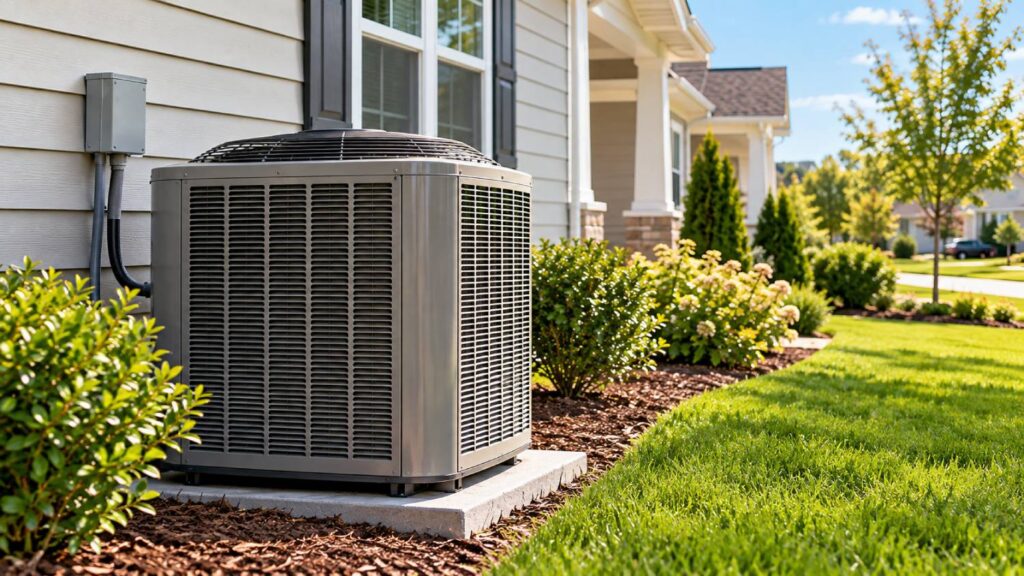
A high-efficiency air conditioner cannot deliver its intended performance if installation is handled poorly. Correct installation involves much more than placing a new outdoor unit beside the house.
The system needs to be properly sized, connected, charged, configured, and tested. Existing ductwork should also be evaluated because leaks, restrictions, or inadequate return airflow can affect comfort and efficiency.
This is why homeowners should compare the installation process and professional expertise, not simply the equipment’s advertised efficiency rating. A thoughtful installation can help the new system operate as intended from the beginning.
How to Get the Most From Your New System
Once you’ve upgraded, a few simple habits can help protect your investment and maintain comfortable indoor conditions.
Keep air filters clean and replace them according to the manufacturer’s recommendations. Avoid setting the thermostat unnecessarily low, and make sure supply and return vents remain unobstructed.
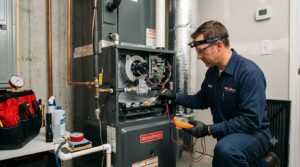
Regular professional maintenance is also worthwhile. A technician can inspect important components, check airflow, identify developing problems, and keep the system operating properly. Maintenance does not eliminate every possible repair, but it can help catch issues before they become larger problems.
It’s also worth paying attention to your home’s envelope. Sealing obvious air leaks and addressing inadequate insulation can reduce the cooling load placed on the air conditioner, allowing the equipment to work more efficiently.
Choosing the Right Upgrade for Your Home
There is no single air conditioner that is ideal for every Wallace home. The right choice depends on factors such as the property’s size, construction, insulation, ductwork, existing HVAC setup, budget, and expected cooling requirements.
Ask an HVAC professional to explain the recommended system size, efficiency rating, expected installation work, warranty coverage, and maintenance requirements. You should also understand whether any existing components need to be replaced or modified as part of the installation.
A good replacement decision balances efficiency, comfort, reliability, installation quality, and long-term operating considerations rather than focusing on one number.
Conclusion
Upgrading to a high-efficiency air conditioner can provide several practical benefits for homeowners in Wallace, NC. Reduced energy use, more consistent comfort, improved humidity management, and greater reliability can make a modern system a worthwhile long-term investment.
The key takeaway is that efficiency depends on more than the equipment itself. Proper sizing, professional installation, adequate airflow, regular maintenance, and an energy-conscious home all contribute to better performance. Before replacing your current system, have its condition and your home’s cooling needs evaluated so you can choose an upgrade based on actual requirements rather than assumptions.