
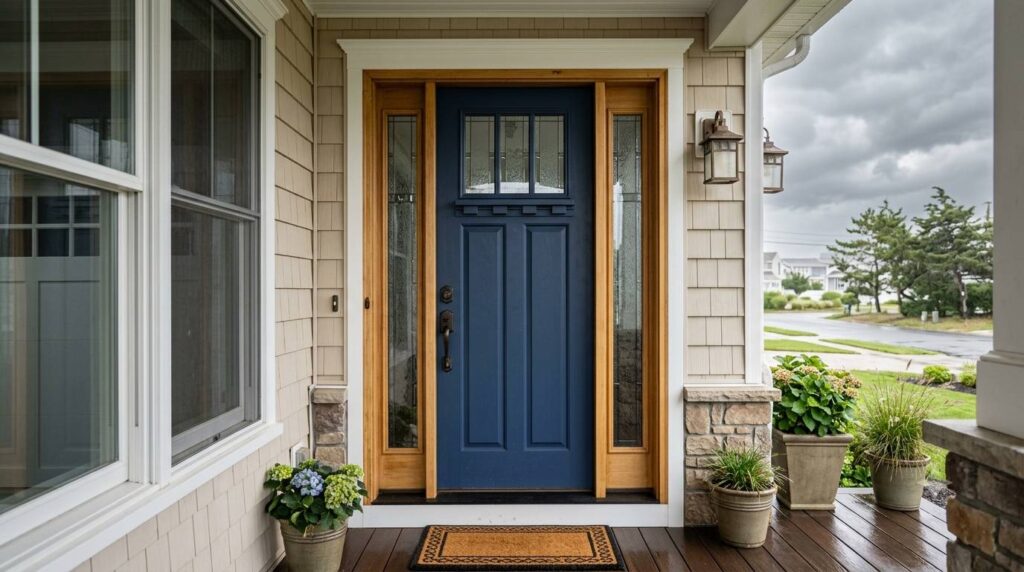
Your front door is one of the first parts of a house to face the force of a storm. Strong winds, flying debris and driving rain all test the door, its frame and the way it is fixed to the wall. If any of these give way, the damage can spread quickly through the rest of the home.
That is why the choice of door deserves careful thought before a storm season arrives. If you are exploring hurricane doors clearwater fl, a few practical checks on strength, certification and installation will help you choose something that genuinely protects your household. This guide covers the main points to weigh up.
Understand How Storm-Resistant Doors Work
A storm-resistant door is built to withstand high wind pressure and to resist impact from debris carried by the wind. Manufacturers achieve this through reinforced frames, strong hinges, multi-point locking systems and, in the case of glazed doors, laminated glass that holds together when struck.
It helps to think of the door as a complete system rather than a single slab. The slab, frame, hinges, lock and fixings all need to work together, because a strong door in a weak frame will still fail under pressure.
Check Certification and Local Requirements
Look for products that have been tested and approved to the standards required in your area. Florida has its own product approval process, and reputable suppliers of hurricane doors clearwater fl should be able to show you the relevant documentation for any door they recommend. Ask to see it in writing rather than relying on a verbal assurance.
Building rules can also affect what you are allowed to fit, and they may differ from one property to another. Your installer or local building department can explain which requirements apply to your home, and this is worth confirming before you place an order.
Choose the Right Material
Each material has strengths and drawbacks. Steel is known for strength and security, fibreglass resists moisture and dents, and solid wood offers a traditional look but usually needs more upkeep in a humid, salty climate. Aluminium is lightweight and often used for glazed or sliding units.
Coastal conditions add another consideration. Salt air can corrode poor-quality fittings, so ask about the finish on hinges, handles and locks as well as the door itself.
Consider Glass, Frames and Hardware
Doors with glass panels need particular care, since glass is often the weakest point in a storm. Ask whether the glazing is impact-rated and how it is held in the frame. The frame should be sturdy and fixed securely into the structure of the house, not just into the surrounding trim.
Hardware deserves the same attention. Multi-point locks pull the door tight against the frame at several places, which helps it stay closed under pressure. Good hinges and a solid threshold also reduce the chance of water forcing its way in.
Think About Installation Quality
Even the best door will underperform if it is fitted badly. Correct measuring, secure anchoring and proper sealing around the frame are all essential. Choose an installer with relevant experience, and ask whether their work comes with a written guarantee.
Before booking, check a few points:
- Whether the installer holds the correct licence and insurance
- How long the installation is expected to take
- What warranty covers the door and the fitting
- Whether the price includes removal of the old door and making good afterwards
Balance Cost, Appearance and Long-Term Value
Storm-resistant doors usually cost more than standard ones, so it is sensible to look at the whole picture. Compare written quotes, and check what each one includes. A slightly higher price may be worthwhile if it brings better certification, stronger hardware or a longer warranty.
Appearance matters too, and you do not need to sacrifice style for safety. Modern doors come in a wide range of finishes and designs, so it is possible to find one that suits your home and still meets the required standards.
Conclusion
Choosing a storm-resistant door comes down to a few key checks. Understand how the door works as a complete system, confirm its certification, pick a material suited to coastal conditions and pay close attention to glass, frames and hardware. Skilled installation is just as important as the product itself.
Take your time, compare quotes and keep all documents in one place. A well-chosen and properly fitted door offers peace of mind when the weather turns, and it is one of the most practical steps you can take to protect your home.