
Older homes often have plenty of character, but keeping them comfortable during hot weather can be challenging. Many were built without central air conditioning, and adding ductwork may require significant changes to walls, ceilings, closets, or attic spaces. Homeowners need a cooling solution that addresses these limitations without creating unnecessary disruption.
For properties where traditional air conditioning is difficult to install, ductless systems offer a practical alternative. Homeowners researching options such as ductless AC installation in Oak Park, CA, may find that mini-split systems provide room-by-room temperature control without requiring an extensive network of ducts.
Why Ductless Cooling Suits Older Homes
Installing central air conditioning in an older property can involve more than placing equipment outside and connecting it to an indoor unit. Existing layouts, limited attic access, plaster walls, and architectural features may complicate duct installation. Preserving original details can also be important to homeowners who want to modernize their comfort without substantially altering the building.
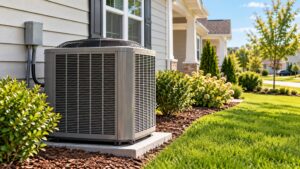
Ductless mini-split systems address many of these concerns. They typically consist of an outdoor unit connected to one or more indoor air handlers through refrigerant lines and electrical connections. The indoor units deliver conditioned air directly into designated spaces, eliminating the need for conventional supply and return ducts.
Although installation still requires careful planning and some work on the building, it generally avoids the extensive construction associated with adding ductwork throughout a home. This makes ductless cooling worth considering for older houses, converted garages, additions, and rooms that are consistently difficult to cool.
How Ductless Mini-Split Systems Work
A ductless mini-split transfers heat between the indoor and outdoor environments using a refrigerant circuit. During cooling, the indoor unit absorbs heat from the room and transfers it outdoors. A fan then circulates cooled air back into the living space.
Depending on the equipment selected, a system may serve a single room or multiple areas. A single-zone configuration typically connects one indoor unit to an outdoor unit, while a multi-zone arrangement allows several indoor units to connect to one outdoor unit. Each indoor unit can generally be controlled separately, allowing occupants to adjust temperatures according to their needs.
Some ductless systems also function as heat pumps, providing heating during cooler weather. This dual-purpose capability may be useful for homeowners seeking to reduce their reliance on separate heating and cooling equipment.
Key Benefits of Ductless Cooling for Older Properties
Less Disruption During Installation
Without extensive ductwork to install, contractors can often complete a ductless project with fewer structural changes than a comparable central air conditioning installation. A small opening is generally needed to connect the indoor and outdoor components. The exact installation requirements depend on the building, equipment, and location of the units.
This approach can help preserve original architectural features while bringing modern cooling into previously uncomfortable rooms.
More Control Over Individual Rooms
Older houses may have uneven temperatures because of differences in insulation, window placement, ceiling height, and sun exposure. A single thermostat controlling a whole-home system may not address every room’s needs equally well.
Zoned ductless cooling allows occupants to adjust individual areas independently. For example, frequently used living spaces can receive cooling during the day, while bedrooms can be adjusted for nighttime comfort. Unoccupied areas may not need the same cooling settings, potentially reducing unnecessary energy use.
Potential Energy Efficiency Advantages
Central air conditioning depends on ductwork to distribute cooled air. If ducts are poorly insulated, damaged, or located in hot attics, some conditioned air can be lost before reaching the intended rooms. Ductless systems avoid those distribution losses because they deliver air directly into the spaces they serve.
However, actual energy consumption depends on equipment efficiency, sizing, installation quality, insulation, and how the system is operated. Ductless equipment is not automatically the least expensive option for every property, so comparing estimated operating costs is worthwhile.
Quiet, Convenient Operation
Indoor mini-split units are designed to operate without the prominent airflow noise associated with some older cooling equipment. Many models also offer remote controls or programmable settings, making temperature adjustments convenient.
The outdoor unit still produces sound, so placement matters. Homeowners should consider nearby bedroom windows, patios, neighboring properties, and local installation requirements when choosing its location.
What to Consider Before Installing a Ductless System
Ductless cooling works best when the system is matched to the home’s layout and cooling requirements. Equipment that is too small may struggle during hot weather, while an oversized unit may cycle inefficiently and provide less consistent humidity control.
Before selecting equipment, consider the number of rooms that need cooling, their dimensions, ceiling heights, window exposure, insulation, and typical occupancy. A professional load calculation estimates the cooling capacity needed rather than relying on square footage alone.
Indoor unit placement is equally important. Units should be positioned to distribute air effectively without creating uncomfortable drafts or being obstructed by furniture, curtains, or architectural features. Refrigerant line routing, electrical capacity, drainage, and outdoor access also need to be assessed.
Homeowners considering ductless AC installation in Oak Park, CA, should discuss whether a single-zone system would meet their needs or whether multiple indoor units would provide better coverage. An on-site assessment can clarify the practical options, installation requirements, and expected costs.
Ductless systems also have limitations. Indoor units occupy visible wall or ceiling space, and cooling may be less uniform between rooms when doors remain closed or units are poorly positioned. A whole-home central system may remain the better choice when suitable ductwork already exists or when the household wants consistent conditioning across many connected spaces.
Maintaining Ductless Cooling for Reliable Performance
Routine maintenance helps ductless equipment operate as intended. Homeowners should clean or wash reusable filters according to the manufacturer’s instructions, particularly during periods of frequent use. Dirty filters can restrict airflow and reduce performance.
Keep the outdoor unit clear of leaves, debris, and other obstructions. Indoor units should also remain unobstructed so air can circulate freely. Periodic professional maintenance can include checking electrical connections, inspecting coils and condensate drainage, and evaluating system operation.
Weak airflow, unusual noises, water dripping from an indoor unit, persistent odors, or a noticeable decline in cooling performance warrant further investigation. Turn the system off if there are signs of electrical trouble or significant water leakage, and arrange professional service rather than attempting repairs involving refrigerant or electrical components.
Final Thoughts
Ductless mini-split systems can be a sensible way to add modern cooling to an older home without undertaking extensive ductwork installation. Their flexible configurations, room-by-room controls, and potential efficiency advantages make them worth evaluating, although the best solution depends on the property’s design and cooling needs.
Before committing to equipment, arrange a professional assessment of the home’s layout, insulation, electrical capacity, and installation options. Comparing system configurations and written estimates will help you determine whether ductless cooling offers the right balance of comfort, cost, and minimal disruption for your property.